
Work We Do

Sustainable Agriculture & Organic Farming
The Vasu Bhumi Foundation is dedicated to promoting sustainable agriculture and organic farming to enhance soil health, biodiversity, and food security. Our initiatives focus on eco-friendly farming practices, reducing chemical dependency, and empowering farmers through training and resources.
Objectives
- Promote sustainable and organic farming methods.
- Educate farmers on natural fertilizers and pest control.
- Enhance soil fertility and biodiversity.
- Support farmers in transitioning from conventional to organic farming.
- Encourage water conservation and eco-friendly agricultural techniques.
Key Activities & Achievements
- Farmer Training Programs
Conducted workshops on organic composting, crop rotation, and natural pest management.
Trained over 500 farmers in sustainable agriculture techniques.
- Implementation of Organic Farming Practices
- Assisted 200+ farmers in shifting to organic farming.
- Promoted the use of biofertilizers and organic manure to improve soil health.
- Introduced vermicomposting and green manure techniques.
- Sustainable Water Management
Implemented drip irrigation and rainwater harvesting projects in rural areas.
Educated farmers on water conservation methods to optimize agricultural yield.
- Community Engagement & Awareness
Organized awareness campaigns on the benefits of organic produce.
Collaborated with local markets to establish organic farmer’s markets.
Formed farmer groups to share best practices and provide mutual support.
- Impact & Success Stories
Increased farm productivity by 20-30% using organic methods.
Improved soil health and reduced chemical dependency in targeted regions.
Boosted farmer incomes through access to organic markets and premium pricing.
Challenges Faced
- Need for better access to organic certification and markets.
- High initial costs of transitioning to organic farming.
- Need for more awareness and training in rural areas.
Future Plans
- Expand training sessions to reach more farmers.
- Develop financial support mechanisms for transitioning to organic farming.
- Strengthen market linkages to ensure fair prices for organic produce.
- Advocate for policies that support sustainable agriculture.
Conclusion
The Vasu Bhumi Foundation continues to drive sustainable agriculture initiatives, ensuring long-term environmental and economic benefits for farming communities. By blending tradition with innovation, we strive to create a greener, healthier future.
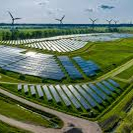
Renewable Energy & Green Infrastructure
Renewable energy and green infrastructure are pivotal for sustainable development and climate resilience. Renewable energy, such as solar, wind, and hydropower, reduces reliance on fossil fuels, cuts greenhouse gas emissions, and promotes energy independence. Green infrastructure, including green roofs, urban forests, and permeable surfaces, enhances biodiversity, manages stormwater, and mitigates urban heat islands. Together, they create resilient, low-carbon cities that support ecological health, improve quality of life, and ensure long-term environmental and economic sustainability.
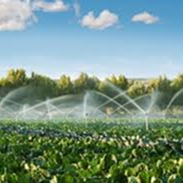
Waste Management & Circular Economy
Waste management and the circular economy are essential for reducing environmental impact and promoting sustainability. Effective waste management involves minimizing waste generation, enhancing recycling, and ensuring safe disposal of residual materials. The circular economy goes further by rethinking resource use, designing products for longevity, and creating closed-loop systems where materials are reused, repaired, or repurposed. Together, these approaches reduce landfill dependency, conserve resources, lower emissions, and foster economic growth by turning waste into valuable resources, aligning with a sustainable, zero-waste future.
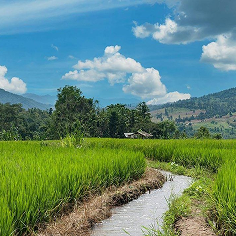
Water Conservation & River Rejuvenation
Water conservation and river rejuvenation are critical for ensuring sustainable water resources and ecosystem health. Water conservation involves efficient use, reducing waste, and implementing technologies like rainwater harvesting and wastewater recycling. River rejuvenation focuses on restoring polluted or degraded rivers by improving water quality, reviving natural flow patterns, and enhancing biodiversity. These efforts mitigate water scarcity, combat climate change impacts, and support communities and ecosystems dependent on healthy waterways. Together, they promote long-term environmental sustainability and resilience.
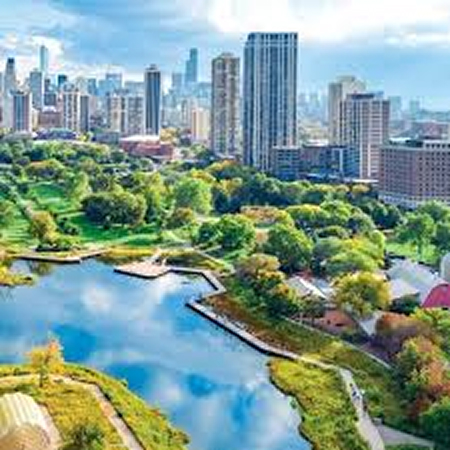
Sustainable Urban Planning for Green Cities
Sustainable urban planning focuses on creating cities that are environmentally friendly, economically viable, and socially equitable. It emphasizes efficient resource use, reduced carbon footprints, and enhanced quality of life through green spaces, renewable energy, public transportation, and waste management. Green cities prioritize biodiversity, clean air and water, and climate resilience, fostering a harmonious balance between urban development and nature. This approach ensures cities can meet current needs without compromising future generations’ ability to thrive.
Ethical Business Practices & Green Economy
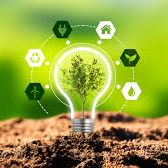
The Ethical Business Practices & Green Economy Program by Vasu Bhumi Foundation promotes sustainable, transparent, and socially responsible business models. By encouraging fair trade, eco-friendly production, ethical labour practices, and circular economy principles, we aim to create a balance between economic growth, environmental responsibility, and social well-being. Our initiatives support green entrepreneurship, corporate sustainability, and conscious consumerism, fostering a resilient and ethical economy for future generations.
Environmental Education & Community Participation
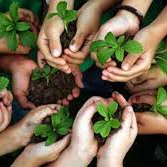
We promote environmental awareness, foster sustainable practices, and empower communities through education and active participation in environmental conservation efforts.
Activities Conducted
1. Workshops and Training Sessions:
- Organized workshops on waste management, water conservation, and renewable energy for schools, local communities, and businesses.
2. Awareness Campaigns:
- Launched campaigns to reduce plastic use, promote recycling, and conserve water.
- Distributed educational materials (posters, brochures, and videos) in local languages to reach diverse audiences.
3. Community Clean-Up Drives:
- Mobilized volunteers for regular clean-up activities in public spaces, rivers, and beaches.
- Partnered with local governments to improve waste collection and segregation systems.
4. Tree Plantation and Green Spaces:
- Engaged communities in tree-planting drives to restore degraded lands and enhance urban green cover.
- Created community gardens and urban forests to promote biodiversity.
5. School Programs:
- Engaged communities in tree-planting drives to restore degraded lands and enhance urban green cover.
- Created community gardens and urban forests to promote biodiversity.
6. Collaborations and Partnerships:
- Worked with NGOs, government agencies, and private sector partners to amplify impact.
- Engaged local leaders and influencers to champion environmental causes.
Outcomes:
Increased awareness and adoption of sustainable practices among community members.
Improved waste management and cleaner public spaces due to community clean-up efforts.
Enhanced green cover and biodiversity through tree plantation drives.
Empowered youth and marginalized groups to take active roles in environmental conservation.
Challenges:
Limited resources and funding for large-scale initiatives.
Resistance to behavioural change in some communities.
Difficulty in sustaining long-term engagement.
Future Plans:
Expand outreach to underserved areas and marginalized communities.
Develop digital platforms for online environmental education and engagement.
Strengthen partnerships to scale up successful initiatives.
Conclusion:
Environmental education and community participation are vital for building a sustainable future. By empowering individuals and communities with knowledge and tools, we can collectively address environmental challenges and create a greener, healthier planet.
Future Plans:
Expand outreach to underserved areas and marginalized communities.
Develop digital platforms for online environmental education and engagement.
Strengthen partnerships to scale up successful initiatives.